
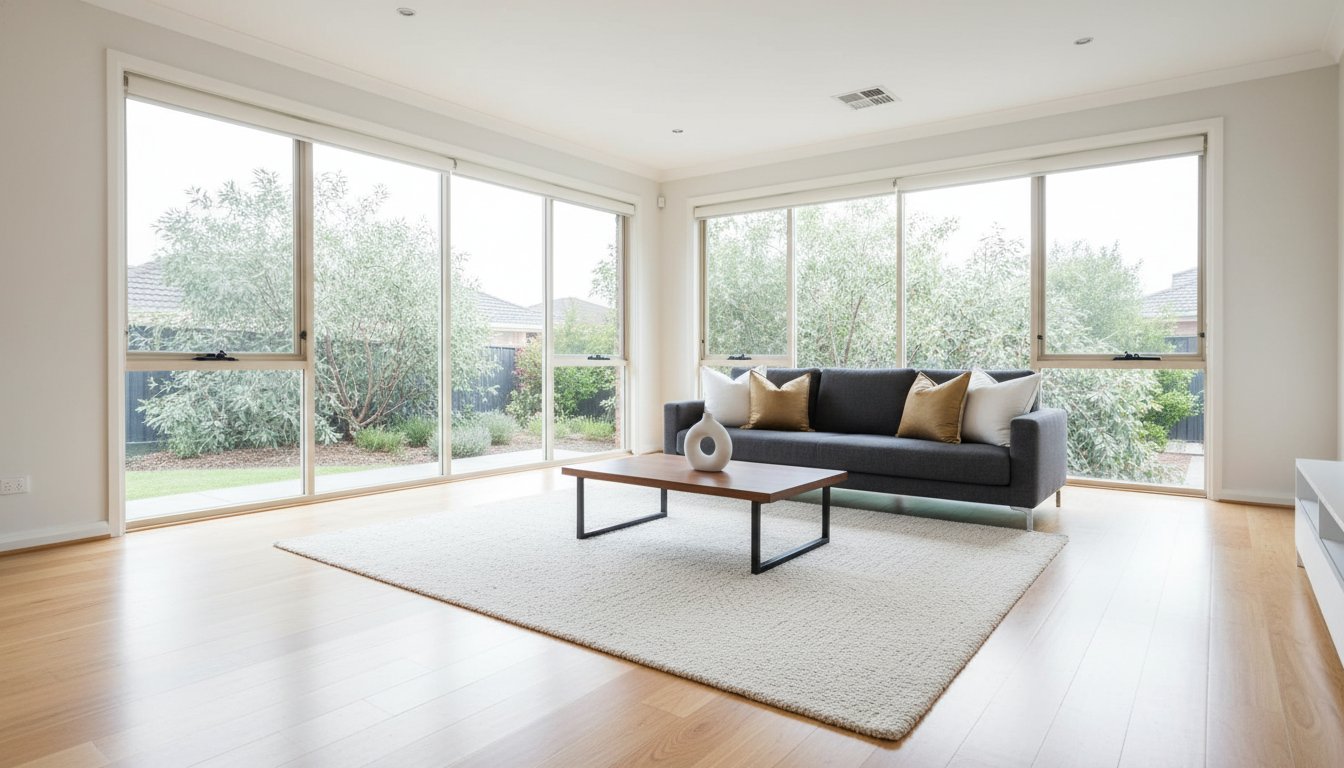
Did you know that staged homes can sell up to 73 per cent faster than those left in their everyday state? It's a staggering figure that highlights why strategic presentation is no longer optional for premium results. You've likely felt the pressure of preparing for an auction or private treaty sale. It's common to feel overwhelmed by the scale of preparation or worry about spending your hard-earned money on the wrong cosmetic upgrades. Learning how to stage a house for sale is less about decorating and more about curating an aspirational lifestyle that allows a buyer to mentally move in within thirty seconds of walking through the front door.
Deciding whether to manage your own presentation or engage a professional is a pivotal moment in your campaign. While the foundation of cleaning and decluttering can often be handled personally, the final layer of aspirational styling often benefits from an expert eye. A professional property stylist doesn't just bring in furniture; they bring a data-driven understanding of what modern buyers in South East Melbourne are looking for. At Elite Agents & Partners, we collaborate closely with leading stylists to ensure your property's visual narrative aligns perfectly with our marketing strategy, ultimately protecting your appraisal value and driving competition. This focus on presentation is a hallmark of top-tier agents globally, including specialists like Phil Badger - Property Brokers who apply these principles to the rural and lifestyle market.
We understand that seeing your family home objectively is a challenge. You want a clear, actionable plan that ensures a return on your investment without the guesswork. This elite guide reveals the sophisticated styling secrets used by top-tier agents to trigger powerful emotional responses and secure record-breaking sale prices. We'll walk you through a room-by-room strategy to maximise your property value, focusing on high-impact areas like the lounge room and master suite. Discover how to depersonalise your space and create a sense of exclusive access that drives competition and reduces your days on market.
Key Takeaways
- Understand why the first 30 seconds of an inspection are the most critical for triggering an emotional buy response from premium buyers.
- Focus on high-impact, low-cost preparation like deep cleaning and decluttering to eliminate "visible maintenance" concerns that can devalue your home.
- Discover how to stage a house for sale by zoning large open-plan spaces to showcase a versatile and aspirational lifestyle for modern families.
- Apply local market insights to appeal to Berwick and Pakenham buyers by highlighting functional zones like study nooks and mudrooms.
- Evaluate the strategic benefits of professional stylists versus DIY methods to ensure your property stands out in the competitive South East Melbourne market.
The Strategy Behind Staging: Why First Impressions Command Premium Prices
Staging isn't just about making a room look pretty; it's a calculated marketing move designed to highlight your property's best assets. Many homeowners confuse decorating with the professional art of presentation. To truly grasp what is home staging?, you must view it as a way to package your largest asset for a specific target audience. It's about moving from functional living, where your home serves your daily needs, to aspirational living, where the house represents a lifestyle buyers crave. Learning how to stage a house for sale effectively means you're no longer selling bricks and mortar; you're selling a dream.
The "30-second rule" is a cornerstone of this strategy. Most prospective buyers decide whether they'll make an offer before they've even reached the kitchen. That initial walk from the kerb through the front door sets the psychological tone for the entire inspection. If the entry feels cramped or dated, buyers immediately look for faults to justify a lower price. Conversely, a curated entrance triggers an emotional "yes" that makes them overlook minor imperfections later on. This strategic styling prevents low-ball offers by establishing a high perceived value from the very first moment.
Neutralising a space is equally vital for appealing to the widest possible buyer pool. While you might love your collection of travel memorabilia or bold feature walls, these personal touches can be distracting. They stop a buyer from seeing the house as their own. By stripping back the highly personal and replacing it with sophisticated, neutral palettes, we create a blank canvas that feels both premium and inviting. This shift from your personal history to the buyer's future is what drives record-breaking results.
The 5-10% Value Add: Understanding the Financial Incentive
In competitive pockets like Berwick and Narre Warren, staging often justifies an asking price 5 to 10 per cent higher than unstaged counterparts. This isn't just about the final figure; it's about the journey to get there. High-end staging fuels professional photography that stops the scroll on real estate portals, significantly increasing your online click-through rates. When more people attend your open home, you create a sense of urgency and competition. This momentum directly impacts your Days on Market (DOM). Staged homes typically sell faster, which reduces your ongoing holding costs and the stress of a long campaign.
The Emotional Connection: Moving from House to Home
Buyers don't want to see how you live; they want to see how they could live. We focus on "hero" rooms, such as the primary lounge or the master suite, to create lasting memories that stay with buyers long after they leave the inspection. Understanding how to stage a house for sale involves optimising natural light, improving floor plan flow, and even subtly managing scents. We create a welcoming atmosphere that feels both exclusive and attainable. This emotional bond is what transforms a casual browser into a serious bidder who is willing to pay a premium for a move-in-ready lifestyle.
Preparing Your Property: The Elite Foundation for a Successful Sale
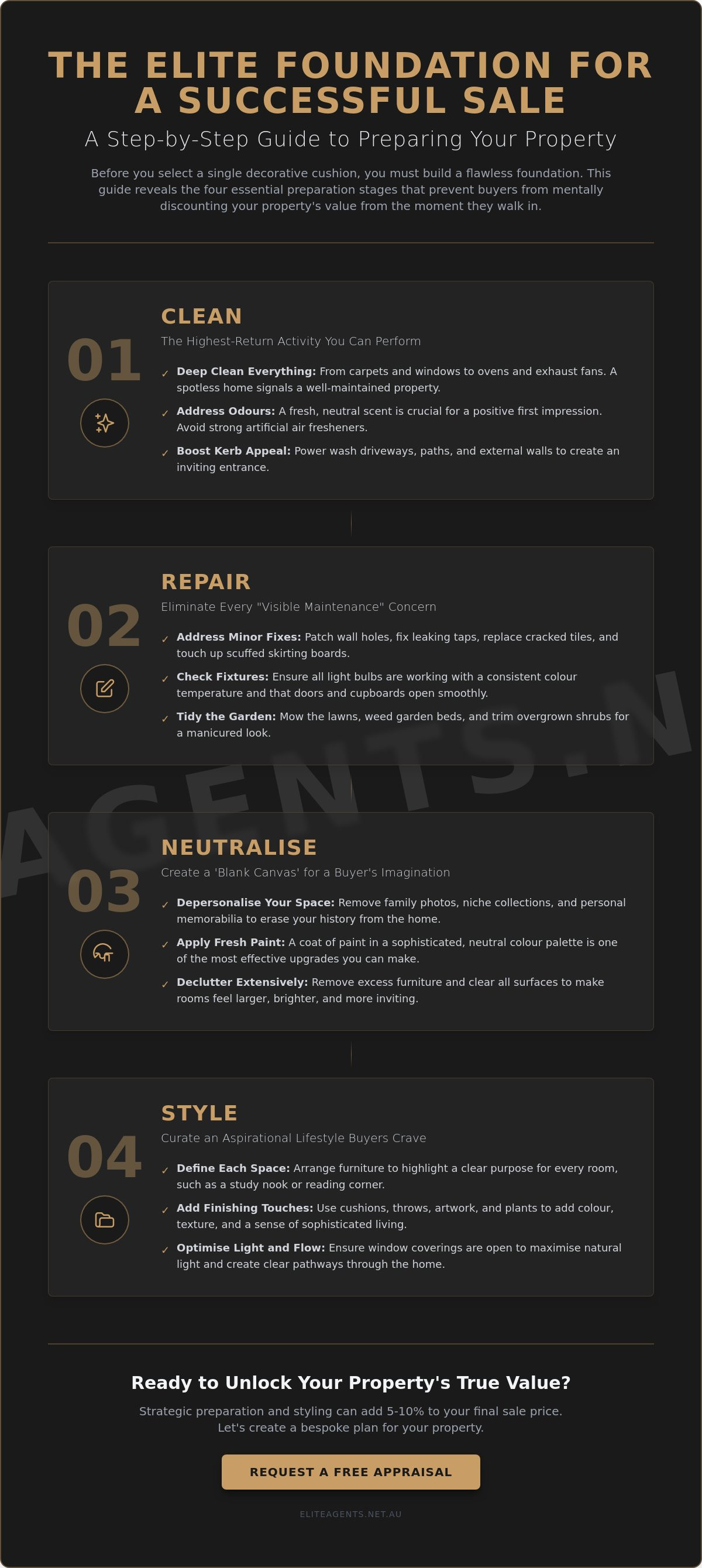
Before you select a single decorative cushion, you must address the structural and cosmetic foundation of your home. Cleaning and decluttering are the highest-return activities you'll perform during this process. If a property feels neglected, prospective buyers immediately begin discounting the price in their minds. They see a scuffed skirting board and imagine a failing hot water system. This psychological weight of "visible maintenance" is a silent deal-killer. To master how to stage a house for sale, you must follow a strict hierarchy of preparation: Clean, Repair, Neutralise, and finally, Style.
Removing your personal history is essential for a record-breaking result. Buyers need to see their own future in the space, not your past. This means removing mental barriers like family photo galleries, niche collections, or religious items. It's about creating a home that feels lived-in but not occupied by you. This shift allows a visitor to mentally "move in" during their first walkthrough. Before you start the heavy lifting, getting a free property appraisal can help you identify which specific improvements will yield the highest return in the current South East Melbourne market.
The Art of Decluttering and Depersonalising
Successful staging relies on the "Thinning Out" technique. We recommend removing approximately 30 per cent of your furniture to create an immediate sense of scale and flow. This is particularly important in smaller secondary bedrooms or study areas. Be prepared for buyers to be thorough; they will open your built-in robes and kitchen cupboards to check storage capacity. If your linen closet is overflowing, a buyer will assume the house lacks sufficient storage. Organise these internal spaces to show they can easily accommodate a modern family's needs.
Essential Repairs and Refreshes That Pay Off
Focus your energy on high-impact areas that buyers notice instantly. Scuffed walls, leaky taps, and outdated light fittings are minor fixes that carry major weight in a buyer's perception of value. A fresh coat of paint is the ultimate tool when learning how to stage a house for sale. In our local area, a "Berwick Refresh" usually involves using crisp, modern neutrals like Lexicon Quarter. This creates a bright, airy backdrop that looks stunning in professional marketing photos. Don't overlook the hardware; replacing dated door knobs and kitchen handles for matte black or brushed brass alternatives provides an instant facelift for a fraction of the cost of a full renovation.
Room-by-Room Styling: Creating Aspirational Living Spaces
Transforming your property into a series of curated moments is the next step in your sales journey. After establishing a clean foundation, you must focus on the aesthetic flow from the front kerb to the back fence. Consistency is your most powerful tool here. A cohesive colour palette and style throughout the home signal a high-end, well-maintained property. When considering how to stage a house for sale, remember that 37 per cent of agents believe the living room is the most critical space to get right, followed closely by the primary bedroom at 34 per cent. You aren't just filling rooms with furniture; you're creating vignettes that tell a story of a sophisticated lifestyle.
Zoning is particularly important in the large, open-plan homes common across South East Melbourne. Without clear definition, these expansive tiled or floorboarded areas can feel cold and cavernous. Use large area rugs to anchor furniture groups and define separate lounge and dining zones. This helps buyers understand how to use the space effectively. In empty corners, a single designer chair paired with a side table and a lamp creates a "reading nook" vignette, adding character without cluttering the floor plan.
The Heart of the Home: Kitchen and Living
Clear your kitchen benches completely to showcase the quality of the stone or cabinetry. Apply the "Rule of Three" for styling: a cluster of three items, such as a high-end coffee machine, a bowl of fresh green pears, and a single cookbook on a stand, is enough to add life without obscuring the workspace. In the living area, arrange furniture in conversation circles rather than just pointing everything at the television. If you have a fireplace or a view of the Dandenongs, ensure the layout draws the eye toward these premium features.
The Master Suite Retreat and Bathrooms
Position the master bedroom as a parental sanctuary. Use premium, high-thread-count linens in neutral tones and add layers with a textured throw and plush cushions. In the bathrooms, aim for a "Day Spa" effect. This is achieved through simple, high-impact choices: fluffy white towels, luxury hand soaps, and perhaps a single orchid. Ensure every secondary bedroom has a clear, singular purpose. Whether it's a nursery, a guest suite, or a dedicated home office, a defined room always feels more valuable than a "junk room" or a multi-purpose storage space.
Maximising Kerb Appeal and Outdoor Living
In the City of Casey, your garden is as important as your kitchen. Manicured lawns and fresh black mulch provide an instant "well-maintained" signal to everyone who drives past. Pressure wash the driveway and ensure the gutters are spotless. Finally, treat your alfresco area as an "outdoor room." Set the table with casual outdoor dinnerware and add comfortable seating to capitalise on the quintessential Aussie lifestyle. This final touch helps buyers envision long summer evenings entertaining friends, making it easier for them to commit to a premium offer.
Local Nuances: Staging for the South East Melbourne Lifestyle
Effective styling requires a deep understanding of your specific neighbourhood. In South East Melbourne, buyers in Berwick, Narre Warren, and Pakenham are often searching for a "forever home" that balances aspirational luxury with genuine practicality. When you're considering how to stage a house for sale in these suburbs, you must speak directly to the family-oriented lifestyle that defines the City of Casey. It's not just about furniture; it's about demonstrating how the property solves the daily challenges of a busy Victorian family while maintaining a sense of elegance.
Every suburb has its own buyer persona. A property in Berwick might attract established professionals looking for heritage charm or modern prestige, while Pakenham often draws in first or second-home buyers prioritising space and value. Understanding these nuances allows you to tailor your "Elite" touches, such as highlighting a mudroom for muddy footy boots or a sophisticated study nook for the evening commute from the city. If you're unsure who your target buyer is, getting a free sales appraisal can provide the market data you need to style with precision.
Staging for the Berwick Family Market
In 2026, the "work from home" potential is a non-negotiable requirement for many professionals moving into the area. Transform a generic spare room or a quiet landing into a sophisticated home office. Use a high-quality desk and a designer chair to signal both productivity and status. Families also prioritise clever storage solutions. Highlighting custom cabinetry in the laundry or walk-in pantries shows you understand their logistical needs. If your property sits within a coveted school zone, like Berwick Secondary College, use subtle lifestyle cues such as a neatly organised study station to reinforce that educational connection.
Adapting to the Seasons in Victoria
Victorian weather is notoriously temperamental, so your staging must adapt to the climate. During a chilly winter inspection, your home should feel like a sanctuary. Use soft textures, thick woollen throws, and ensuring the heating is at a comfortable temperature well before the first visitor arrives. This creates an immediate emotional "hug" for the buyer. In summer, the focus shifts to the seamless connection between the indoor living areas and the garden. Open up the bi-fold doors and make sure the air conditioning is humming quietly. A cool, crisp atmosphere during a 35-degree day creates an immediate sense of relief and luxury. Learning how to stage a house for sale means making "spring cleaning" a year-round requirement to keep the property in peak condition regardless of the forecast.
Executing Your Staging Plan: Professional Stylists vs. DIY
Deciding whether to manage your own presentation or engage a professional is a pivotal moment in your campaign. While the foundation of cleaning and decluttering can often be handled personally, the final layer of aspirational styling often benefits from an expert eye. A professional property stylist doesn't just bring in furniture; they bring a data-driven understanding of what modern buyers in South East Melbourne are looking for. At Elite Agents & Partners, we collaborate closely with leading stylists to ensure your property's visual narrative aligns perfectly with our marketing strategy, ultimately protecting your appraisal value and driving competition.
This commitment to excellence is shared by premium brokerages like Ray Lyon Realty, where a real estate agent Santa Monica will utilise similar staging techniques to ensure high-end homes resonate with sophisticated buyers.
When you're learning how to stage a house for sale, you'll encounter two primary levels of service: Full Staging and Integrated Styling. Integrated styling is a partial service where a professional integrates premium "Elite" accents, such as designer rugs, contemporary artwork, and high-end cushions, with your existing quality furniture. This creates a curated look without the need for a total overhaul. However, if you're selling an empty property, professional intervention becomes a non-negotiable requirement to avoid the "vacant home" trap.
When to Hire a Professional Property Stylist
Empty rooms are notoriously difficult for buyers to judge. Paradoxically, an empty room often looks smaller because there's no furniture to provide a sense of scale. It also feels cold and lacks the emotional "soul" required to trigger a buy response. Professional stylists solve this by installing a full suite of furniture that highlights the room's proportions and potential. While there is an upfront cost, this should be viewed as a strategic marketing investment. Industry data suggests that the return on investment for staging can be substantial, with many properties achieving a sale price significantly higher than their unstaged neighbours.
The Final Countdown: Pre-Inspection Checklist
The work doesn't end once the stylist leaves. To maintain the "Elite" standard throughout your campaign, you need a disciplined routine before every open home. Your goal is to ensure the property feels like a pristine, move-in-ready sanctuary the moment the first visitor steps inside. Use this checklist to ensure your home remains show-ready:
- Lighting: Open every blind and curtain to maximise natural light. Turn on every lamp and overhead light, even during a bright day, to create a warm and inviting glow.
- Climate Control: Ensure the temperature is perfect. In a Berwick winter, the heating should be welcoming; in a Pakenham summer, the air conditioning should offer immediate relief.
- The "Elite" Touch: Place fresh, seasonal flowers in the entrance and kitchen. Hide all rubbish bins, pet bowls, and evidence of daily life.
- Acoustics: Consider soft, ambient music at a low volume to eliminate awkward silences and create a sophisticated atmosphere.
Mastering how to stage a house for sale is about consistency and attention to detail. By combining professional expertise with a rigorous inspection-day routine, you position your property as a premium offering in the South East Melbourne market. If you're ready to see how strategic styling can transform your result, a free property appraisal is the perfect starting point to discuss your bespoke sales strategy.
Secure Your Record-Breaking Result with Strategic Styling
Elevating your property from a standard listing to an aspirational masterpiece is the most effective way to drive competition and secure a premium price. Knowing how to stage a house for sale involves a calculated marketing strategy that begins at the front kerb and flows through every curated room. By focusing on high-impact zones and adapting your presentation to the specific family buyer personas of Berwick and the wider City of Casey, you create a powerful emotional connection that justifies a higher asking price.
Our team at Elite Agents & Partners specialises in these sophisticated local nuances. We combine our proven track record of record-breaking sales with tailored marketing campaigns designed to maximise your ROI. Don't leave your final result to chance. Book a free sales appraisal today to discuss how our bespoke approach can transform your property into the most coveted home on the market. Your journey toward a faster, more successful sale starts with a single, strategic step. We look forward to partnering with you to achieve the result you deserve.
Frequently Asked Questions
How much does it cost to stage a house for sale in Melbourne?
The investment for staging varies based on the size of your property and the level of service required. Options range from a professional consultation providing a roadmap for DIY efforts to a full furniture fit-out for a vacant home. While costs scale with the number of rooms styled, most vendors view this as a vital marketing investment that pays for itself through a higher final result.
Is it worth staging a house in a seller’s market?
Staging is highly effective in a seller's market because it helps your property stand out as the premium choice among available listings. While a home might sell quickly in a hot market, professional presentation is what triggers multi-offer scenarios and competitive bidding. This momentum is essential for pushing a sale price from a standard market value to a record-breaking figure.
Can I stage my house while still living in it?
You can successfully stage an occupied home by adopting an integrated styling strategy. This process involves thinning out your personal furniture and replacing everyday items with high-end accents like designer linens and artwork. It requires a commitment to maintaining a showroom standard for every inspection, but it effectively bridges the gap between a lived-in home and an aspirational gallery.
What are the most common staging mistakes to avoid?
The most frequent errors include over-cluttering rooms with oversized furniture and failing to depersonalise the space. Many homeowners struggle to see their property objectively and leave too many family mementos on display. Another critical mistake is neglecting the garden and entrance. If the kerb appeal is lacking, buyers often form a negative opinion before they even step through the front door.
Should I paint my house before selling?
A fresh coat of paint in a modern neutral tone is one of the most cost-effective ways to increase your property's appeal. It instantly refreshes tired walls and eliminates scuff marks that signal "maintenance work" to a buyer. Using crisp whites or soft greys helps to bounce natural light around the rooms, making the entire home feel larger, cleaner, and more contemporary.
What is the difference between home styling and home staging?
Home styling is generally about personal preference and creating a space that suits your specific taste. In contrast, staging is a strategic marketing tool designed to appeal to the widest possible buyer pool. When you learn how to stage a house for sale, you're intentionally removing your personality from the home to create a neutral, aspirational canvas that allows others to visualise their own lives there.
How do I stage a small room to make it look bigger?
To maximise the perceived scale of a small room, you should focus on increasing visible floor space and light. Use furniture with slim profiles and elevated legs rather than heavy, boxy pieces that sit flat on the carpet. Mirrors are also a powerful tool for reflecting light and creating an illusion of depth. Mastering how to stage a house for sale often involves removing roughly 30 per cent of a room's contents to improve the overall flow.
Does staging really increase the final sale price?
Professional presentation consistently correlates with higher sale prices and fewer days on the market. By presenting a move-in-ready lifestyle, you eliminate the "mental repair list" that buyers use to negotiate a lower price. An emotionally connected buyer who falls in love with the curated aesthetic of a Berwick or Narre Warren home is far more likely to make a premium, unconditional offer.
Disclaimer
Disclaimer: This article was prepared with the assistance of artificial intelligence and reviewed for general informational purposes. While reasonable care has been taken to ensure accuracy, property-market conditions, prices, legislation and other information may change. The content does not constitute legal, financial, taxation, valuation or other professional advice. Readers should verify information and obtain advice appropriate to their circumstances before making property decisions. Elite Agents & Partners does not guarantee any specific sale price, rental return or outcome.


